Manus AI Alternatives: 4 Tools Founders Should Try in 2026
Summary
Looking for Manus AI alternatives that fit a founder's budget and workflow, not just a longer feature list? This comparison ranks ChatGPT Agent mode, Genspark, Skywork, and Lindy against Manus on price, autonomy, and independent review scores, then names the safest default plus two specialist picks.
If you are searching for Manus AI alternatives, the short answer is this: Manus popularized the hand off one prompt and walk away model, but a 2.7 out of 5 G2 aggregate and unpredictable credit burn make it a rough first stop for a bootstrapped founder. ChatGPT's Agent mode is the lower-risk swap: same autonomous idea, transparent pricing, and a tool most of us already have open. Genspark matches Manus feature for feature. Skywork earns a specific mention for pitch decks. Lindy solves a different problem entirely.
Why founders go looking for a Manus alternative in the first place
The pitch was simple: hand Manus a goal, walk away, come back to a finished website, deck, or research report. For some well-scoped one-off jobs, it delivers exactly that.
The friction shows up in the bill. Credit consumption is not previewed before a task runs, and a single complex job can burn 500 to 900 credits with no warning. G2's aggregate for Manus sits at 2.7 out of 5, with 42 percent one-star reviews, most citing billing and refund disputes rather than task quality.
That gap between "the demo looked great" and "the invoice was a surprise" is why founders start searching for alternatives before their first renewal.
ChatGPT Agent mode: the low-risk default
If you already pay for ChatGPT Plus at 20 dollars a month, Agent mode is already sitting in your account. It operates a virtual browser and terminal to handle multi-step tasks, research, form filling, spreadsheet building, and lets you interrupt and redirect mid-task rather than waiting for a finished (and billed) result.
The tradeoff is scope. Agent mode is usage-capped even on Plus, and heavy autonomous workflows push you toward the 200 dollar Pro tier. It is also newer at browser automation than Manus's Wide Research mode, so long unattended multi-app jobs are not its strongest case yet.
G2 rates it 4.6 out of 5, the strongest reputation of the group here, built on a much larger review base than Manus or Genspark. For a founder who wants the Manus idea without adopting a second product, this is the practical default.
Genspark: the closest match to what Manus promised
Genspark is the nearest like-for-like swap. Its no-code Super Agent breaks a request into subtasks across a Mixture-of-Agents setup, then assembles slides, sheets, docs, images, video, and code from a single prompt, plus it can place real phone calls.
The catch is transparency. Full pricing tiers require creating an account to see, which is the same complaint founders had about Manus in the first place. And a tool this broad trades some depth versus a specialist in any single format, like slides or video.
Reviews split by platform: 3.8 out of 5 on G2, but only 3.0 on Trustpilot, with support and refund complaints pulling the second number down. Worth testing on the free tier before committing to a paid plan.
Skywork: built for the deck, not the demo
Skywork is not a general browsing agent like Manus. It is a document and creative workspace: seven specialized agents for docs, slides, sheets, sites, video, images, and podcasts, with a Deep Research slides mode that cites real sources for data-backed decks. For a founder building an investor deck or a business plan, that is a closer match to the actual job than a general autonomous browser.
At roughly 12 to 16 dollars a month, it undercuts most single-purpose design tools it replaces. But its Trustpilot score is the roughest in this list: 1.5 out of 5 across 44 reviews, with several describing misleading free-trial terms and slow refunds. There is no independent G2 listing yet to balance that against, so those complaints carry more weight than they otherwise would.
If the output quality matches what the product page promises, and early hands-on tests suggest it does for document work specifically, the honest advice is: read the cancellation policy before you enter a card number, not after.
Lindy: a different job, wearing similar marketing
Lindy shows up in Manus alternative searches because it is also billed as an autonomous AI agent, but it solves a narrower problem: recurring admin work, inbox triage, meeting scheduling, meeting notes, and follow-ups, reachable over iMessage and SMS as well as a web app.
That is not a one-off research-or-build tool. It is closer to a standing employee for your inbox. G2 rates it 4.9 out of 5 across 171 reviews with a Best Personal AI Assistant award, but Trustpilot tells a rougher story at 1.7 out of 5, with billing and cancellation complaints that echo the pattern seen with Skywork and Genspark.
Entry pricing starts at 49.99 dollars a month, the highest in this comparison, for a fundamentally different use case than the other three.
Which one fits your actual week
If your instinct is still "hand off one prompt, walk away," ChatGPT Agent mode gets you most of what Manus promised with a bill you can predict. If you specifically want a research-to-deliverable workspace, test Genspark's free tier before Skywork's paid one. If the actual problem is your inbox, not a one-off project, none of the above solve it as well as Lindy does, credit that account, and reserve the recurring workflow evaluation for a separate week rather than mixing it into this one.
At-a-glance
| ChatGPT | Genspark | Skywork | Lindy AI | |
|---|---|---|---|---|
| Entry price (paid tier) | $20/mo (Plus, includes Agent mode) | ~$19.99/mo (reported, tiers not fully public) | ~$12-16/mo (Pro) | $49.99/mo (Plus, 2 inboxes) |
| Autonomy model | Supervised Agent mode inside a chat-first product | Fully autonomous multi-agent Super Agent | Prompt-driven document and creative agent | Recurring scheduled workflows, not one-off tasks |
| Primary output | Research, code, spreadsheets, browser tasks | Slides, docs, sheets, images, video, code, calls | Docs, slides, sheets, sites, video, podcasts | Inbox triage, scheduling, meeting notes, follow-ups |
| Team readiness | Business and Enterprise seat pricing, mature admin controls | No dedicated team plan surfaced yet | Individual subscription only, no stated team plan | Enterprise tier with HIPAA, SSO, SCIM, audit logs |
| Independent review score | 4.6/5 (G2) | 3.8/5 (G2), 3.0/5 (Trustpilot) | 1.5/5 (Trustpilot, 44 reviews) | 4.9/5 (G2), 1.7/5 (Trustpilot) |
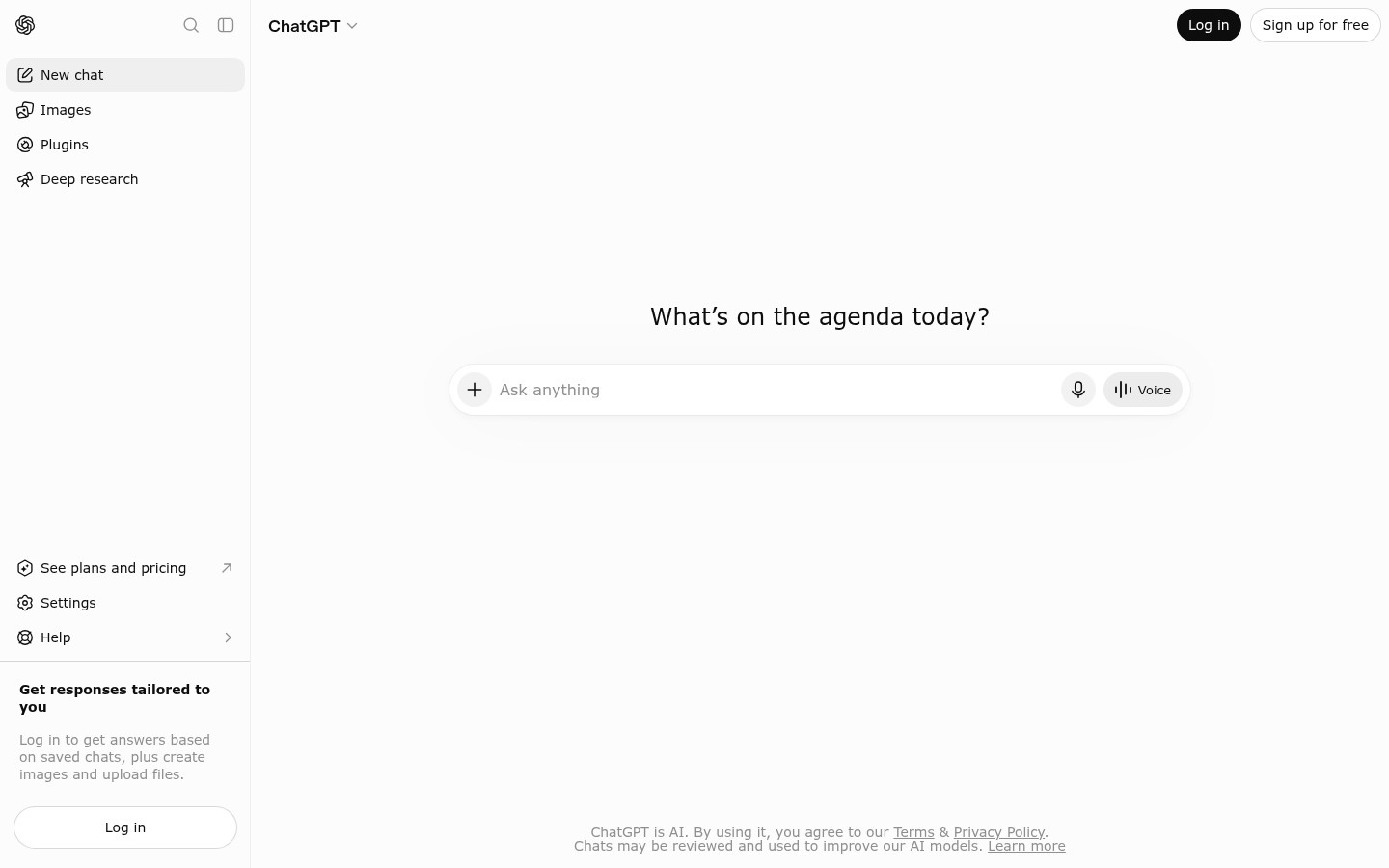
ChatGPT
- Agent mode ships inside a tool most founders already pay for, zero switching cost
- Transparent, stable pricing since 2023, no credit-metering surprises
- G2 aggregate of 4.6 out of 5 across a large review base, the strongest reputation in this group
- Agent mode is usage-capped even on the 20 dollar Plus plan, heavy use pushes you to the 200 dollar tier
- Less purpose-built for long unattended jobs than Manus's Wide Research or Skywork's document agents
- Browser automation is newer and less battle-tested across complex multi-app workflows
The safe default. Less flashy than Manus, more predictable, and you probably already have the login.
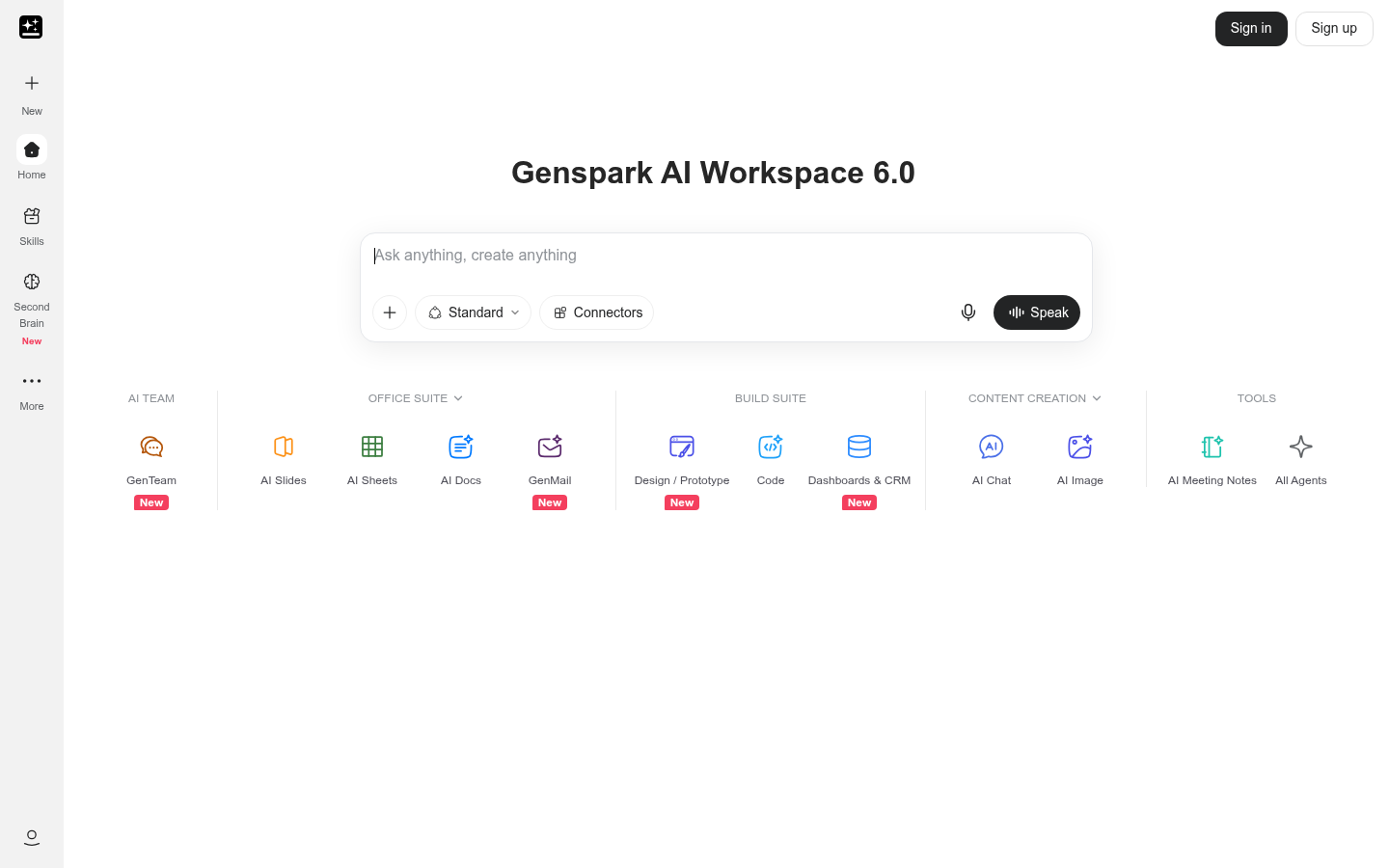
Genspark
- Broadest task range of the group: slides, sheets, docs, images, video, code, and voice calls
- No-code Super Agent handles multi-step jobs with less manual setup than a workflow builder
- Office-suite plugins for Google Workspace and Microsoft Office cut export friction
- Full pricing tiers are not visible without creating an account first
- Broad feature surface means depth in any single tool, like slides, can trail a specialist
- Trustpilot sits at 3.0 out of 5, well below the 3.8 G2 average, with support complaints on refunds
The closest thing to a like-for-like Manus swap, with a more usable free tier to test first.
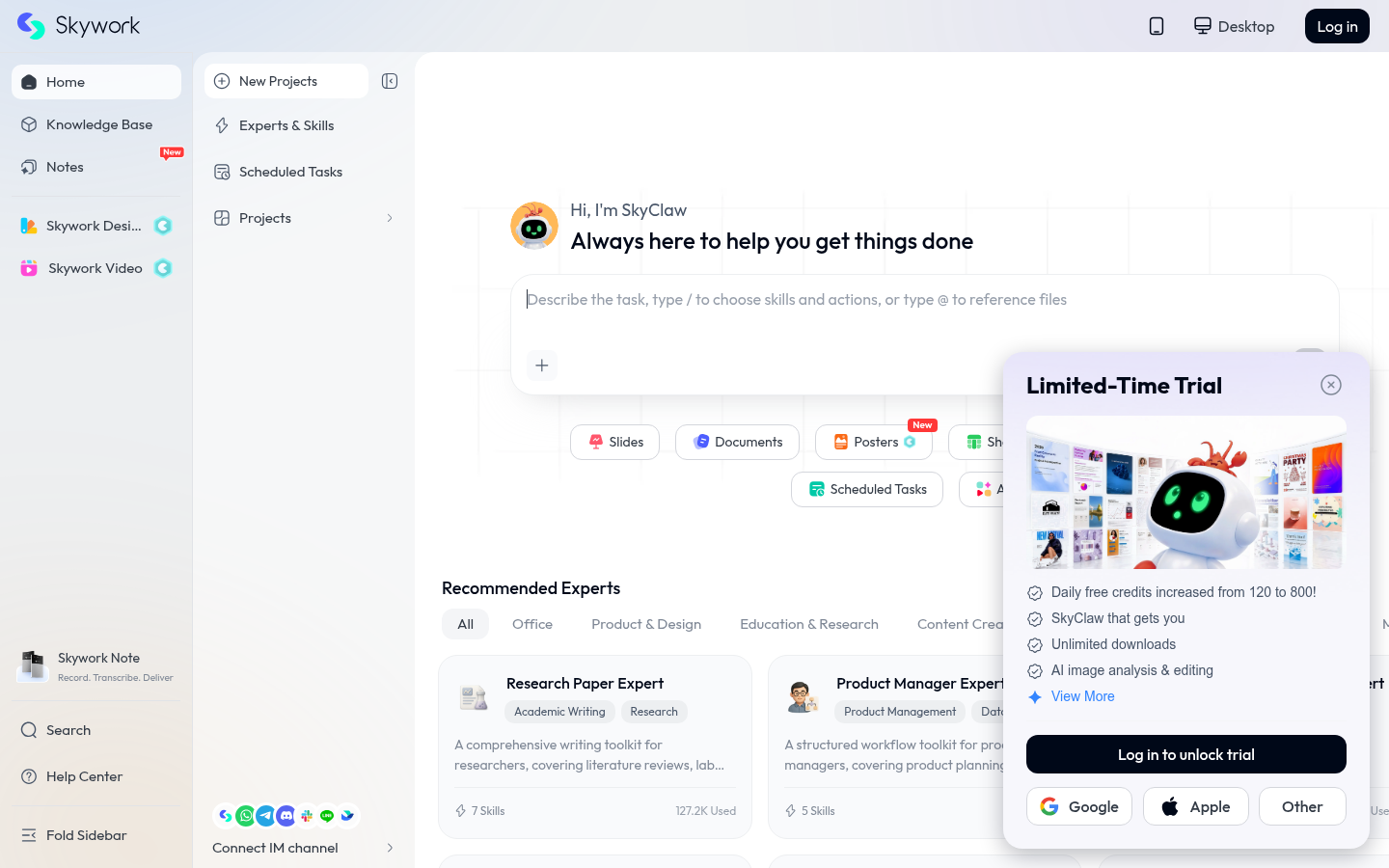
Skywork
- Seven specialized agents (docs, slides, sheets, sites, video, images, podcasts) built for founder deliverables
- Slides agent's Deep Research mode cites real sources and builds data-backed decks for investor materials
- Entry price around 12 to 16 dollars a month undercuts most single-purpose design tools it replaces
- Trustpilot rates it 1.5 out of 5 across 44 reviews, several describing misleading free-trial terms and refund friction
- Website generation is MVP-quality, not a real substitute for Webflow or Framer
- No independent G2 listing yet, so the Trustpilot complaints carry more weight than usual until more reviews accumulate
Read the refund policy before you subscribe. The document output is genuinely strong, the billing reputation is not.
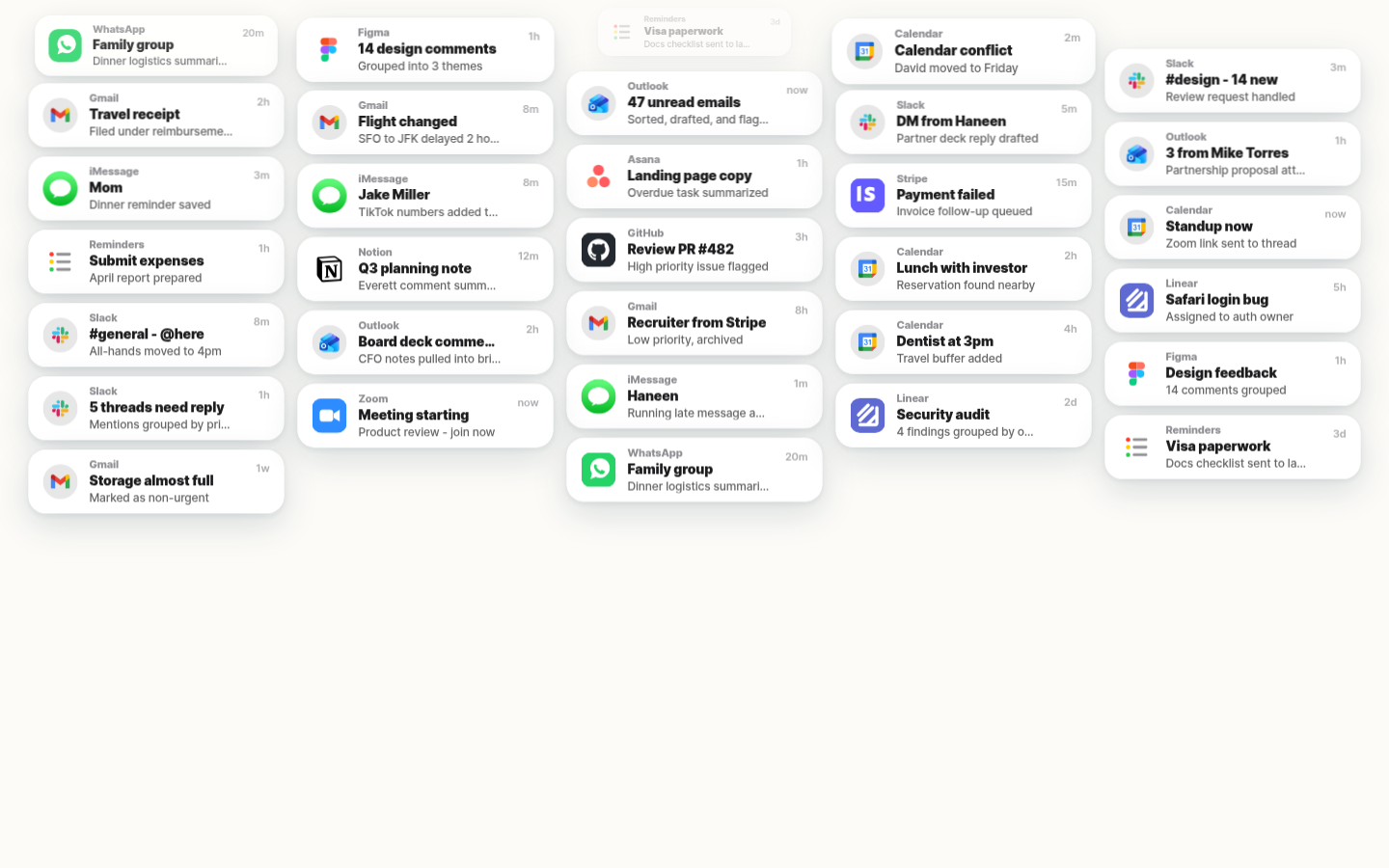
Lindy AI
- Purpose-built for recurring admin work: inbox triage, scheduling, meeting notes, and follow-ups
- Reachable over iMessage and SMS, so there is no new app habit to build
- G2 rates it 4.9 out of 5 across 171 reviews, with a Best Personal AI Assistant award
- Trustpilot tells a different story at 1.7 out of 5, with billing and cancellation complaints
- Entry price of 49.99 dollars a month is higher than most single-purpose tools in this comparison
- Narrower scope than a general research agent, it will not generate a deck or a report for you
Excellent at owning your inbox and calendar, but check the cancellation policy before the trial ends.
Verdict
For most founders replacing Manus, ChatGPT's Agent mode is the least risky swap: same hands-off idea, none of the credit anxiety, and a tool you likely already pay for. Genspark is the closest one-for-one feature match if you want a dedicated multi-agent workspace. Skywork earns a look specifically for pitch decks and business documents, provided you read its refund terms first. Lindy is a different tool entirely, built for recurring admin work rather than one-off research, and it shows in both the pricing and the reviews.
How we tested
We compared pricing pages, product documentation, and the aggregated review base on G2 and Trustpilot for each tool as of July 2026, cross-referencing the gap between the two platforms where it existed, Skywork and Lindy both show a wide G2-to-Trustpilot split, rather than citing whichever number looked better. This is a research-based comparison built for the first evaluation hour, not a hands-on 30-day test of every tool.